Middle East Crisis: Analyzing US-Israel-Iran Conflict Escalation
The geopolitical landscape of the Middle East has long been a complex web of alliances, rivalries, and deeply entrenched historical grievances. However, recent events have propelled the region into an unprecedented phase of direct military confrontation, marking a significant escalation in the long-standing tensions between `Téhéran`, the `États-Unis`, and `Israël`. The culmination of weeks of heightened rhetoric and covert operations exploded into direct military action, reshaping regional dynamics and sending shockwaves across the globe. This article delves into the specifics of this dramatic escalation, examining the joint US-Israel strikes on Iran, Tehran’s retaliatory measures, and the profound implications for the future stability of the Middle East.
The Genesis of Escalation: Understanding Pre-Strike Tensions
The direct military engagements did not emerge in a vacuum but were the culmination of prolonged animosity and escalating threats. For weeks leading up to the fateful strikes, an ominous cloud of intervention hung over the region. The relationship between the United States, Israel, and Iran has been characterized by deep mistrust, ideological clashes, and proxy conflicts spanning decades.
*
Iran's Regional Influence: Tehran's foreign policy has often been viewed by Washington and Jerusalem as expansionist, supporting various non-state actors and militias across the Levant and Yemen. This network of allies, often referred to as the "Axis of Resistance," is perceived by Israel and the US as a direct threat to their security interests and regional stability.
*
Nuclear Ambitions: Iran's nuclear program has been a perennial flashpoint. Despite international agreements, concerns persisted in both Washington and Tel Aviv regarding the potential military dimensions of Iran's nuclear capabilities, leading to calls for stricter sanctions and preventative measures.
*
Cyber Warfare and Maritime Incidents: The preceding months witnessed an increase in cyberattacks attributed to both sides, alongside numerous incidents involving shipping in vital waterways like the Strait of Hormuz, further ratcheting up tensions.
*
Economic Sanctions: The United States has maintained stringent economic sanctions against Iran, aiming to curb its nuclear program and regional activities. These sanctions have crippled the Iranian economy, further fueling resentment and defiance from Tehran.
These underlying factors created a volatile environment where a direct confrontation seemed not just possible, but increasingly probable. The stage was set for an event that would irrevocably alter the course of regional politics, proving that the shadows of proxy wars could quickly give way to overt conflict involving `Téhéran`, `États-Unis`, and `Israël`.
Unprecedented Strikes: The US-Israel Operation Against Tehran
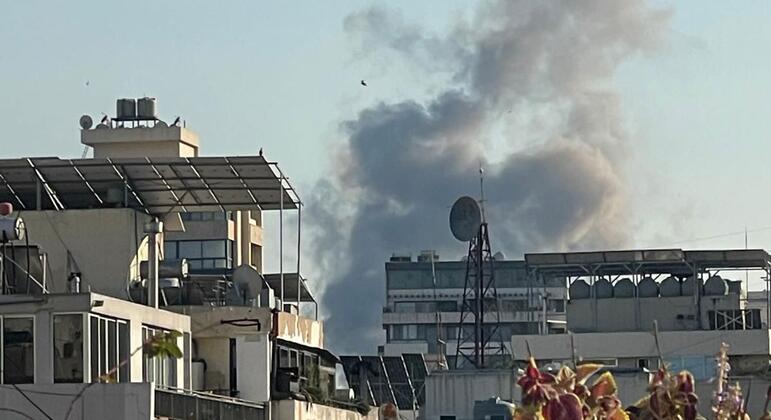
The simmering tensions erupted into a full-blown crisis on Saturday, February 28th, when the United States and Israel launched a joint, coordinated military assault on Iran. This attack, described as "unprecedented," targeted key strategic locations within Iranian territory, notably concentrating on Tehran. The impact of these strikes was immediate and devastating, achieving a primary objective that sent shockwaves globally.
The most significant casualty of these strikes was none other than Iran's Supreme Leader, Ali Khamenei. As the spiritual and political leader of the Islamic Republic for 36 years, Khamenei wielded immense power, setting the country's domestic and foreign policy, guiding its military, and embodying the revolutionary ideals of the state. His demise represents a monumental shift for Iran, creating a power vacuum at the very apex of its leadership.
The killing of a sitting Supreme Leader by foreign powers is an event without precedent in modern Iranian history. It raises critical questions about:
*
Succession: The process of selecting a new Supreme Leader is complex and typically involves the Assembly of Experts. Khamenei's sudden death likely triggered intense internal jockeying for power, potentially leading to instability or a reordering of political factions within Iran.
*
Future Foreign Policy: Khamenei was a staunch anti-Western figure, particularly hostile towards the United States and Israel. His successor could potentially steer Iran's foreign policy in a different direction—either doubling down on confrontation or, less likely, seeking avenues for de-escalation, depending on their political leanings and the internal power dynamics.
*
Internal Stability: The sudden loss of such a central figure could ignite internal dissent or challenges to the clerical establishment, especially given the country's ongoing economic hardships and social unrest.
This bold move by Washington and Jerusalem undoubtedly aimed to decapitate Iran's leadership and disrupt its strategic capabilities, signaling a dramatic departure from previous approaches of containment or limited engagement. For a deeper dive into the specifics of this pivotal event, you can refer to our detailed report:
US-Israel Launch Strikes on Tehran: Khamenei Killed.
Iran's Swift and Broad Retaliation: A Regional Ripple Effect
The response from `Téhéran` was swift and decisive, demonstrating its capability and resolve to retaliate against what it deemed an act of war. Iran launched multiple salvos of missiles, targeting not only Israel but also several countries in the Persian Gulf region where the `États-Unis` maintains significant military bases.
The targets of Iran's retaliatory strikes included:
*
Israel: Direct strikes on Israeli territory underscored Iran's intent to respond directly to the perceived aggression, marking a dangerous escalation in their long-standing shadow war.
*
United Arab Emirates (UAE): A key regional ally of the US, hosting Al Dhafra Air Base, a significant American military installation.
*
Qatar: Home to Al Udeid Air Base, the largest US military facility in the Middle East.
*
Bahrain: Headquarters of the US Fifth Fleet.
*
Kuwait: Hosting various US military contingents and facilities.
Iran's choice of targets was strategic, aiming to inflict damage and send a clear message to both Israel and the United States: any attack on Iranian soil would be met with a response that could destabilize the entire region and threaten American interests. By targeting US bases, `Téhéran` demonstrated its capability to project power beyond its borders and directly challenge the American military presence in the Gulf. This move also placed immense pressure on Gulf states, forcing them to navigate their delicate relationships with both the US and Iran amidst escalating hostilities.
The missile strikes created an immediate sense of dread and uncertainty across the region, prompting air defense systems to activate and causing significant disruptions to air travel and maritime activities. The tit-for-tat exchanges underscored the perilous trajectory of the conflict, demonstrating that direct confrontation between `Téhéran`, `États-Unis`, and `Israël` was no longer hypothetical. For more information on Iran’s response, read:
Iran Retaliates with Missiles After US-Israel Attack.
Geopolitical Ramifications and the Path Forward
The direct military conflict between Iran, the United States, and Israel has triggered a cascade of geopolitical ramifications that will likely shape the Middle East and global security for years to come. The immediate aftermath is characterized by extreme volatility and an urgent need for de-escalation, though the path to peace remains elusive.
*
Regional Stability on the Brink: The direct attacks and counter-attacks have plunged the region into unprecedented instability. Neighboring countries, particularly the Gulf states, find themselves caught in the crossfire, with their economic and security interests directly threatened. The risk of miscalculation leading to a wider regional war involving more actors is acutely high.
*
International Reaction and Diplomacy: Global powers like Russia, China, and the European Union have likely called for restraint and de-escalation, but their ability to influence the immediate trajectory of the conflict may be limited. The United Nations and other international bodies face immense pressure to mediate and prevent further bloodshed.
*
Economic Impact: The oil markets reacted swiftly, with prices surging amid fears of disruptions to supply lines, especially through the Strait of Hormuz, a critical chokepoint for global oil trade. Shipping and air travel within the region also face severe risks and disruptions, impacting global commerce and supply chains.
*
US-Israel Alliance Reaffirmed (and Tested): The joint strikes underscore the strong strategic alliance between the US and Israel. However, the depth of American entanglement in a direct conflict with Iran poses significant domestic and international challenges for Washington, especially concerning the potential for prolonged military engagement.
*
Iran's Internal Dynamics: The leadership transition following Khamenei's death is a critical factor. The incoming leader's approach to domestic governance and foreign policy will determine whether Iran seeks to consolidate power internally, double down on confrontational policies, or explore new diplomatic avenues.
Navigating Future Uncertainties: Practical Insights
Understanding this complex conflict requires looking beyond the headlines. Here are some insights for analyzing the ongoing situation:
*
The Doctrine of Deterrence: Both sides are operating under the principle of deterrence. The US-Israel strike aimed to deter future Iranian actions, while Iran's retaliation aimed to deter further attacks. This delicate balance means each move is carefully calculated to send a message without necessarily spiraling into total war, though the line is increasingly blurred.
*
Role of Proxy Warfare: While direct conflict has erupted, the influence of proxy groups supported by Iran and various state actors remains crucial. These groups could be leveraged to maintain pressure and destabilize adversaries without directly involving state militaries.
*
Risk of Miscalculation: The fog of war and rapid-fire decisions in high-stakes environments increase the risk of miscalculation, where one side misinterprets the other's intentions or capabilities, leading to unintended escalation.
*
Importance of Diplomacy (Even in Conflict): Even amidst direct military action, back-channel communications and diplomatic efforts become critical. Understanding that even the fiercest adversaries might seek off-ramps or de-escalation agreements is crucial.
*
Monitoring Key Indicators: To gauge the future trajectory, pay close attention to:
* Statements from international bodies and major global powers.
* Any changes in military deployments or alerts by `États-Unis` in the region.
* The succession process and initial policy statements from Iran's new leadership in `Téhéran`.
* The reactions and strategic decisions of other regional players like Saudi Arabia and Turkey.
The conflict between `Téhéran`, `États-Unis`, and `Israël` is a stark reminder of the volatile nature of international relations and the profound consequences of geopolitical rivalries. The unprecedented direct strikes and subsequent retaliations have irrevocably altered the regional security landscape. While the immediate future remains uncertain, the imperative for de-escalation and a diplomatic resolution has never been more pressing. The world watches anxiously as the Middle East stands at a critical juncture, with the choices made today destined to shape tomorrow's peace, or lack thereof.