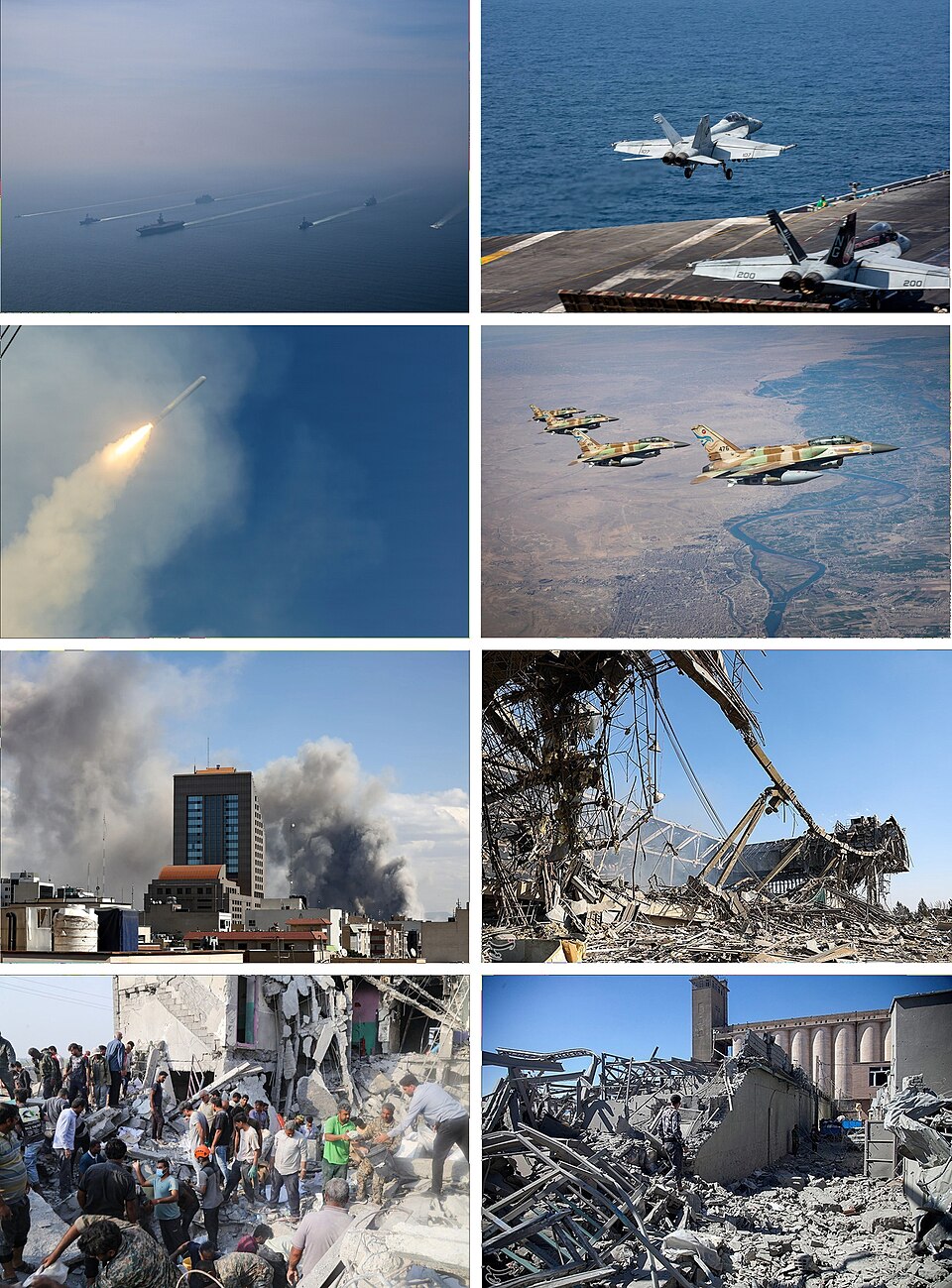
Iran Retaliates with Missile Barrage After Devastating US-Israel Attack
The Middle East has been plunged into an unprecedented new chapter of conflict, following a devastating joint military operation by the United States and Israel against Tehran. On a tumultuous Saturday, February 28, the international community watched as a long-simmering rivalry erupted into direct, large-scale confrontation. The coordinated strikes, which targeted Iran's capital, resulted in the death of Supreme Leader Ali Khamenei, a figurehead who had guided the Islamic Republic for 36 years. This audacious act immediately triggered a forceful and retaliatory response from Iran, unleashing a volley of missiles towards Israel and American military installations across the Gulf states, marking a dramatic escalation in a region already fraught with tension.
The events of that day have fundamentally reshaped the geopolitical landscape, drawing global attention to the volatile interplay between Téhéran, les États-Unis, et Israël. This article delves into the specifics of these critical developments, exploring the implications of the initial attack, the nature of Iran's retaliation, and the complex historical and strategic underpinnings that drive this perilous dance between three pivotal global actors.
The Precedent-Setting US-Israel Strikes on Tehran
The coordinated assault on Tehran by US and Israeli forces on February 28 represented a significant departure from previous indirect engagements. After weeks of escalating rhetoric and thinly veiled threats of military intervention, the strike materialized as a direct and audacious act. Reports indicate that the operation was meticulously planned, designed to deliver a decisive blow at the heart of the Iranian leadership. The impact of this attack cannot be overstated, primarily due to the loss of Supreme Leader Ali Khamenei.
Khamenei's demise removes a central pillar of Iran's political and religious establishment. As the ultimate authority in Iran since 1989, he held immense power, guiding both domestic policy and foreign relations. His death creates a massive power vacuum and introduces an element of unpredictability into Iran's future trajectory. For the United States and Israel, this move was likely intended to decapitate Iran's strategic command, potentially disrupting its nuclear program, regional influence, and proxy networks. However, such a high-stakes action inevitably carries the risk of severe blowback, challenging the long-held doctrines of strategic deterrence in the region. The international community, already reeling from various crises, now grapples with the fallout of this unparalleled offensive, underscoring the delicate balance of power in the Middle East.
Iran's Swift and Decisive Retaliation
True to its long-standing doctrine of 'resistance' and immediate response to aggression, Iran's retaliation was both swift and unequivocal. Within hours of the US-Israel strikes, Tehran launched multiple salvos of missiles, demonstrating its capacity to project power across the region. The targets of this reprisal were strategic and symbolic:
- Israel: Missile strikes were directed towards Israeli territory, signaling Iran's unwavering commitment to direct confrontation. The specifics of the targets within Israel and the extent of the damage are still being assessed, but the message of direct retaliation was clear.
- Gulf States with US Bases: A significant aspect of Iran's counter-attack involved targeting American military installations in several key Gulf nations. Countries like the United Arab Emirates, Qatar, Bahrain, and Kuwait, all hosting substantial US military presence, found themselves inadvertently drawn into the direct line of fire. This move serves multiple purposes for Iran:
- Demonstrating Reach: It showcased Iran's capability to strike targets far beyond its borders.
- Deterrence: It aimed to deter future US-Israel actions by demonstrating the potential costs to American assets and personnel.
- Regional Message: It sent a stark warning to regional allies of the US that their cooperation with Washington could carry significant risks.
The nature of this retaliation underscores Iran's military capabilities and its resolve to respond forcefully to what it perceives as an existential threat. The immediate aftermath has seen an unprecedented level of alert across the Middle East, with concerns mounting over a cascading series of military actions that could quickly spiral out of control.
Unpacking the Geopolitical Chessboard: Téhéran, États-Unis, Israël
To fully grasp the magnitude of these recent events, one must understand the deep-rooted antagonisms and complex strategic imperatives that define the relationship between Téhéran, les États-Unis, et Israël. This tripartite dynamic has been a primary driver of instability in the Middle East for decades, characterized by a fundamental clash of ideologies, security interests, and regional ambitions.
- Iran's Perspective: Following the 1979 Islamic Revolution, Iran has consistently viewed the United States as the "Great Satan" and Israel as a illegitimate entity. Its foreign policy is geared towards asserting regional hegemony, challenging the US-led order, and supporting various proxy groups (such as Hezbollah in Lebanon, Houthi rebels in Yemen, and various militias in Iraq and Syria) to extend its influence and counter perceived threats. The nuclear program, despite international scrutiny, is seen by Tehran as a sovereign right and a vital component of its defense strategy. The recent strike, particularly the killing of its Supreme Leader, will undoubtedly be framed as an ultimate act of aggression demanding unwavering resistance.
- US Perspective: The United States views Iran as a state sponsor of terrorism, a proliferator of advanced weaponry, and a destabilizing force in the Middle East. US policy has historically oscillated between containment and pressure, aiming to prevent Iran from acquiring nuclear weapons, dismantle its support for proxy groups, and safeguard the security of its allies, particularly Israel and the Gulf monarchies. The decision to strike Tehran directly signals a shift towards a more aggressive posture, possibly driven by intelligence about imminent threats or a desire to reset the strategic balance.
- Israel's Perspective: For Israel, Iran represents an existential threat. Concerns range from Iran's nuclear ambitions and its advanced missile program to its funding and arming of militant groups on Israel's borders. Israel has long advocated for a hardline approach against Tehran, often conducting covert operations and airstrikes against Iranian-linked targets in Syria and beyond. The joint strike with the US aligns with Israel's long-standing security doctrine of preemptive action against perceived threats.
The term "Téhéran, les États-Unis, et Israël" has become more than just a geographical or political identifier; it encapsulates a complex, high-stakes geopolitical chessboard where every move carries global repercussions. The recent actions have only intensified the dangerous game, making a diplomatic resolution appear increasingly distant.
Global Repercussions and Future Outlook
The events of February 28 have irrevocably altered the calculus of regional and global security. The immediate future is fraught with uncertainty, with several critical dimensions to consider:
- Escalation Risk: The most pressing concern is the potential for a full-blown regional war. Iran's retaliation indicates its willingness to engage directly, and further US-Israel responses could trigger a dangerous cycle of attacks and counter-attacks. The involvement of US bases in the Gulf means that any further escalation risks drawing more nations into the conflict.
- Oil Markets and Global Economy: The Middle East is a critical artery for global oil supply. Any significant disruption, such as a blockade of the Strait of Hormuz or widespread damage to oil infrastructure, would send crude prices soaring, triggering a global economic crisis. Shipping routes, insurance premiums, and investor confidence would all be severely impacted.
- International Diplomacy: The international community faces an immense challenge in de-escalating the situation. Efforts to broker ceasefires, open lines of communication, and find diplomatic off-ramps will be crucial, but difficult given the depth of animosity and the gravity of recent actions. Key players like Russia, China, and European powers will be closely watched for their roles in mediating or influencing the conflict.
- Succession in Iran: The death of Ali Khamenei will initiate a complex succession process within Iran. The selection of a new Supreme Leader will be critical for shaping Iran's domestic and foreign policies, potentially leading to internal power struggles or a shift in the country's trajectory.
The world holds its breath, aware that the actions taken by Téhéran, les États-Unis, et Israël in the coming days and weeks will determine the fate of not just the Middle East, but potentially the global order.
Navigating Uncertainty: Tips for Understanding the Conflict
In such a volatile and complex situation, it is paramount for individuals and policymakers alike to approach information with critical discernment. Here are some practical tips for understanding the unfolding conflict:
- Diversify Your News Sources: Rely on a range of reputable international news organizations, think tanks, and academic analyses. Avoid echo chambers and be wary of information shared on social media without verification.
- Understand the Historical Context: The current conflict is not isolated; it's the culmination of decades of history, grievances, and strategic calculations. Familiarize yourself with the historical relationship between Iran, the US, and Israel, as well as the broader history of the Middle East.
- Identify Key Players and Their Motivations: Beyond the three main actors, recognize the roles of regional powers, non-state actors, and international bodies. Understand each party's perceived interests, fears, and strategic objectives.
- Recognize Propaganda and Misinformation: In times of conflict, disinformation campaigns are rampant. Be critical of emotionally charged narratives, unsubstantiated claims, and biased reporting. Look for facts, evidence, and verifiable statements.
- Focus on Humanitarian Impact: Remember that behind the geopolitical chess moves are real human lives. Consider the potential humanitarian consequences of military actions, including civilian casualties, displacement, and long-term suffering.
- Consult Expert Analysis: Seek out insights from geopolitical strategists, regional experts, and former diplomats. Their nuanced perspectives can provide deeper understanding beyond immediate headlines.
The events transpiring between Tehran, the United States, and Israel represent a critical juncture in modern history. The direct military confrontation, ignited by the US-Israel strikes on Tehran and the subsequent killing of Supreme Leader Ali Khamenei, has plunged the Middle East into an unprecedented state of alert. Iran's swift and extensive missile retaliation against Israel and US bases in the Gulf signals a dangerous new phase of direct engagement. The profound historical animosities and clashing strategic objectives of Téhéran, les États-Unis, et Israël continue to fuel this volatile dynamic, making de-escalation a monumental challenge. The global community now faces the urgent task of navigating these treacherous waters, striving to prevent a broader regional conflagration that would have catastrophic implications far beyond the borders of the Middle East.